
Fuel cell technology
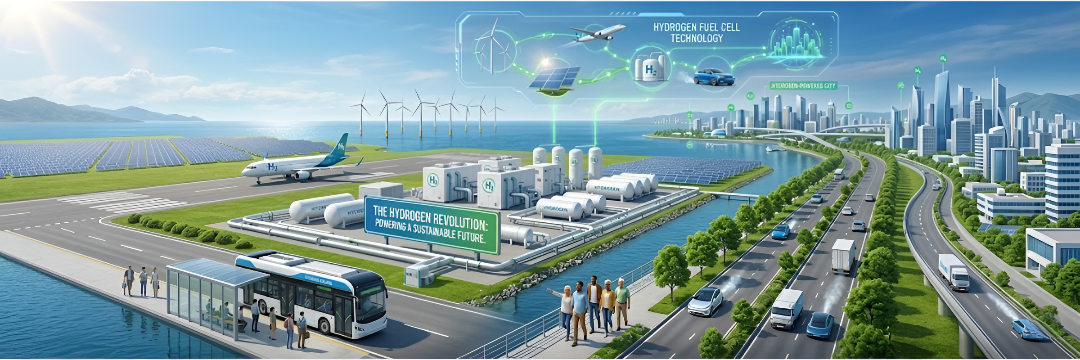
Fuel cell technology, a cornerstone of the burgeoning hydrogen economy, has transitioned from a 19th-century scientific curiosity to a sophisticated power solution for the 21st century. By converting chemical energy directly into electricity through an electrochemical reaction, fuel cells offer a clean, efficient alternative to traditional combustion engines.
A Journey Through Time: The Evolution of Fuel Cells
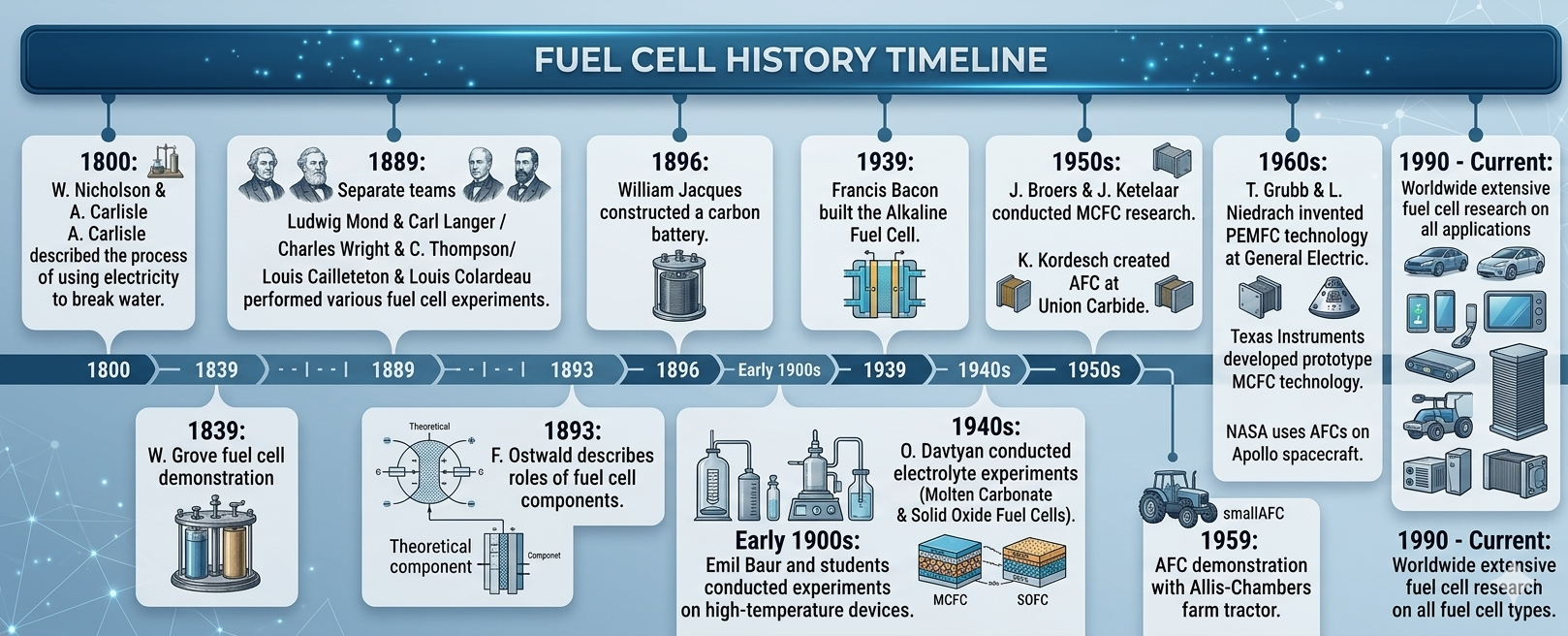
The scientific community has explored fuel cells for approximately 150 years. From early experiments in the 1800s to extensive modern research, the timeline of fuel cell development is marked by significant milestones:
History of fuel cell technology
Why Fuel Cells? The Competitive Edge
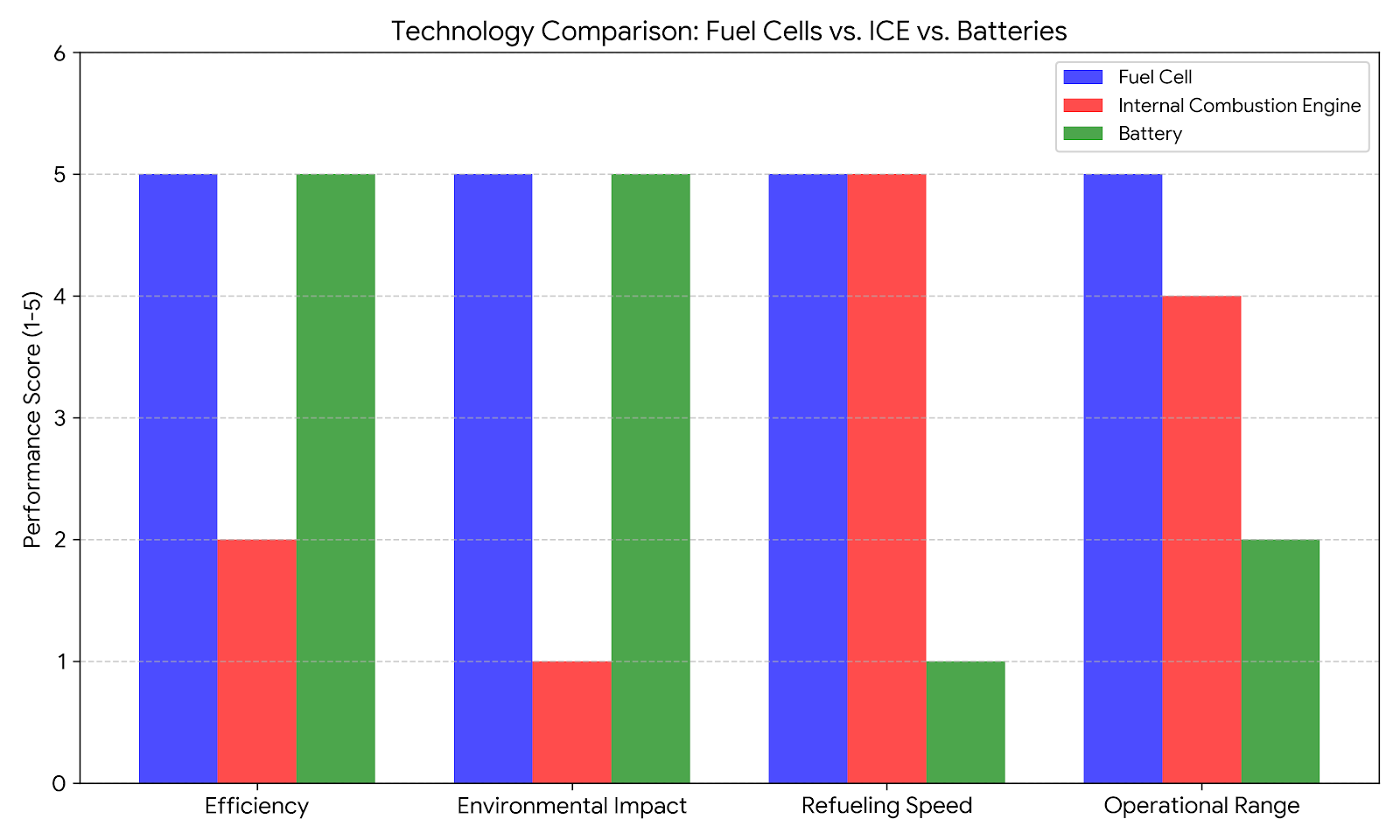
Fuel cell systems are frequently compared to internal combustion engines (ICE) and batteries, offering unique advantages in efficiency and operational flexibility.
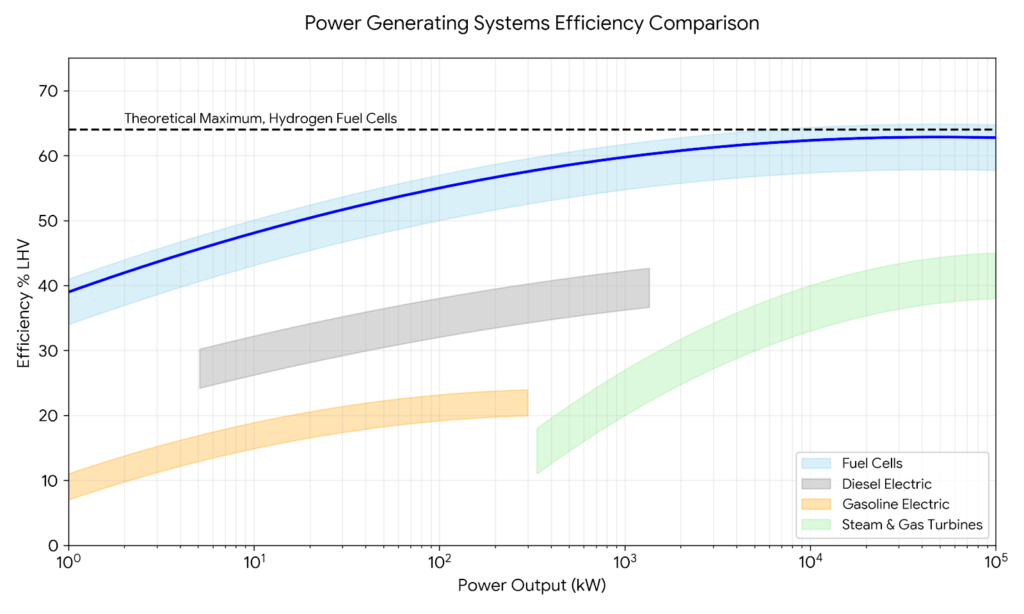
High Efficiency and Performance
- Thermodynamic Superiority: Unlike heat engines, which are limited by the Carnot cycle and material constraints, fuel cell efficiency is not linked to maximum operating temperatures.
- Electrochemical Precision: The direct conversion of chemical energy to electricity results in significantly higher conversion efficiency.
- Part-Load Excellence: Fuel cells exhibit higher efficiency at part load than at full load, maintaining consistent performance across their operating range.
Environmental and Operational Benefits
- Zero Emissions: When run on pure hydrogen, the only by-products are water and heat.
- Modular Design: Their construction allows for consistent efficiency regardless of the system’s size.
- Rapid Response: As solid-state devices, fuel cells react instantly to changes in load, making them ideal for dynamic power needs.
- No Recharging Needed: Unlike batteries, fuel cells do not require long recharge times; they are simply refuelled, similar to a traditional vehicle.
Overcoming the Challenges
Despite their promise, fuel cell technology faces several engineering and infrastructural hurdles:
Hydrogen Infrastructure: Manufacturing and storing hydrogen remain energy-intensive and expensive, and a global refuelling network is still being established.
Material Costs: Many automotive fuel cells require expensive platinum catalysts.
Sensitivity: Fuel cells require high-purity fuel and are susceptible to damage from contaminants like sulfur or freezing water within the system.
System Complexity: Supporting hardware such as high-speed compressors and thermal management systems adds weight and complexity.
Real-World Applications: From Submarines to City Streets
Fuel cells are versatile, lending themselves to a vast array of applications:
Stationary Power Plants
Stationary systems provide reliable emergency backup for critical facilities like hospitals. For instance, Ballard Generation Systems operates a 250 kW plant, and Toyota has installed stationary generators at its Honsha plant in Japan. India is also actively developing PEM fuel cell plants for telecom backup and decentralized power.
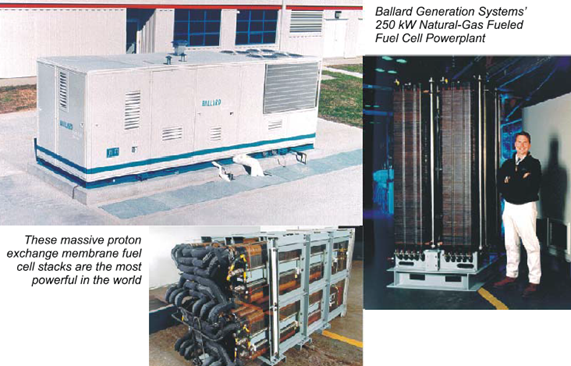
Ballard’s 250 kW stationary PEM fuel cell power plant
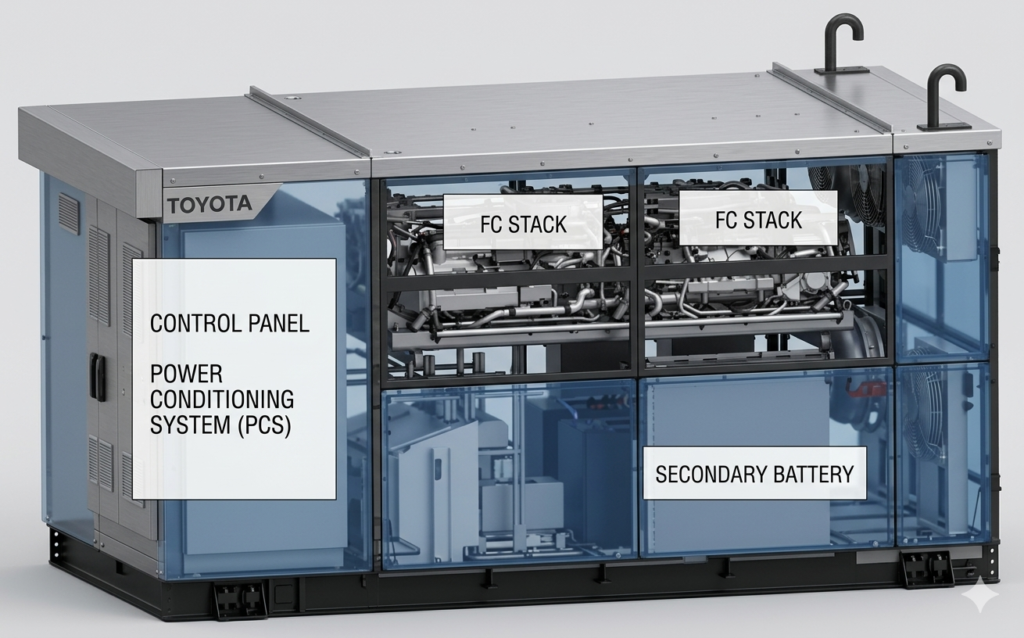
Toyota’s stationary PEM fuel cell power plant
Maritime and Defence
Fuel cells are ideal for military submarines due to their low noise and infrared signatures. A 80 kW power plant was built by Ballard Power Systems for German submarine manufacturer Howaldtswerke-Deutsche Werft AD and operates using pure hydrogen and oxygen.
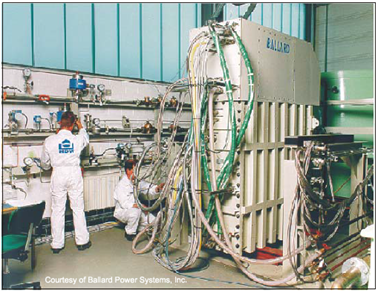
Ballard Power System’s 80kW submarine fuel cell power plant
Public Transit and Buses
Buses are currently the most commercially advanced fuel cell application. They provide a large platform for storage and can be refuelled at central stations.
- India’s Progress: In June 2025, India’s first commercial hydrogen fuel cell buses, developed by Tata Motors in collaboration with IOCL, began operating in Ladakh.

Launching ceremony of India’s first Hydrogen bus, developed by Tata Motors in collaboration with Indian Oil Corporation (IOCL)
The Future of Personal Mobility: Cars
While cars present challenges due to size and infrastructure needs, many global manufacturers (Toyota, Hyundai, Ford, and more) have developed hydrogen prototypes.
- The Indian Market (2025): India is gearing up for the launch of several hydrogen models, including the Toyota Mirai, the Hyundai Nexo, and the MG Euniq 7. These vehicles offer impressive ranges of over 600 km and quick 5-minute refuelling.
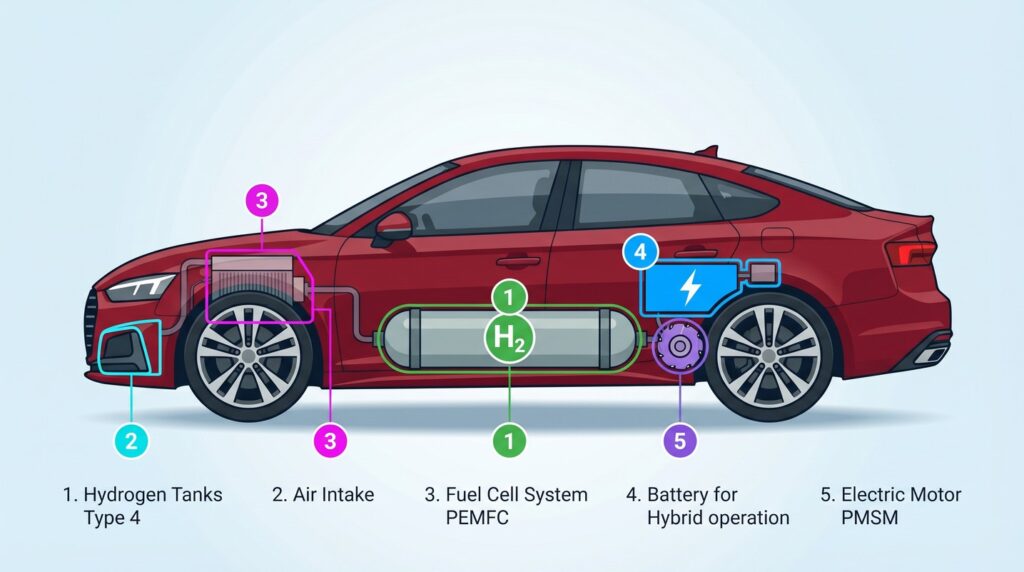
Toyota Mirai’s Hydrogen Fuel Cell systems
Portable Power Systems
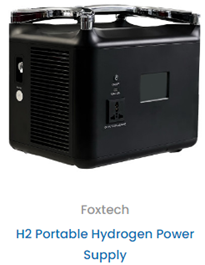
Portable fuel cell systems can potentially be used in many applications that currently rely on batteries. Commercial units that provide up to 1.2 kW (4100 Btuh) of electrical power are now available.
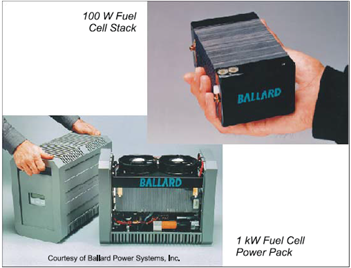
Portable Fuel Cell Systems
Looking Ahead
Fuel cells are an emerging technology where reductions in cost and weight remain the primary goals. As India and the rest of the world invest in the National Green Hydrogen Mission, the shift toward these eco-friendly transport and power solutions indicates a positive, sustainable trajectory for global energy.